

The start of the second day was marked by a tribute to Paul Naschy, the famous Spanish actor, director and screenwriter and icon of fantastic and horror cinema, on the tenth anniversary of his death. The tribute consisted of the screening at 12:00 noon of one of his most notable films, 'The Return of the Werewolf', which he wrote and directed. This was followed by a colloquium on the figure of the legendary artist with the presence of his son Sergio Molina, director of the Nocturna Madrid International Fantastic Film Festival.
The event was presented by Miguel Ángel Rodríguez Villar who, accompanied by the co-director of the festival Daniel Fumero and the professor of the University of La Laguna (ULL) and collaborator of the Aula de Cine, Fernando de Iturrate, took the opportunity to welcome the audience to this second day of the III Festival de Cine Fantástico de Canarias Isla Calavera. During the talk, anecdotes were told about the protagonist, where his son explained that he wrote 500 scripts, of which only 51 came to light. He also said that Paul Naschy never considered being an actor and that, according to Sergio Molina, "cinema used to be more direct, less directed than it is now".
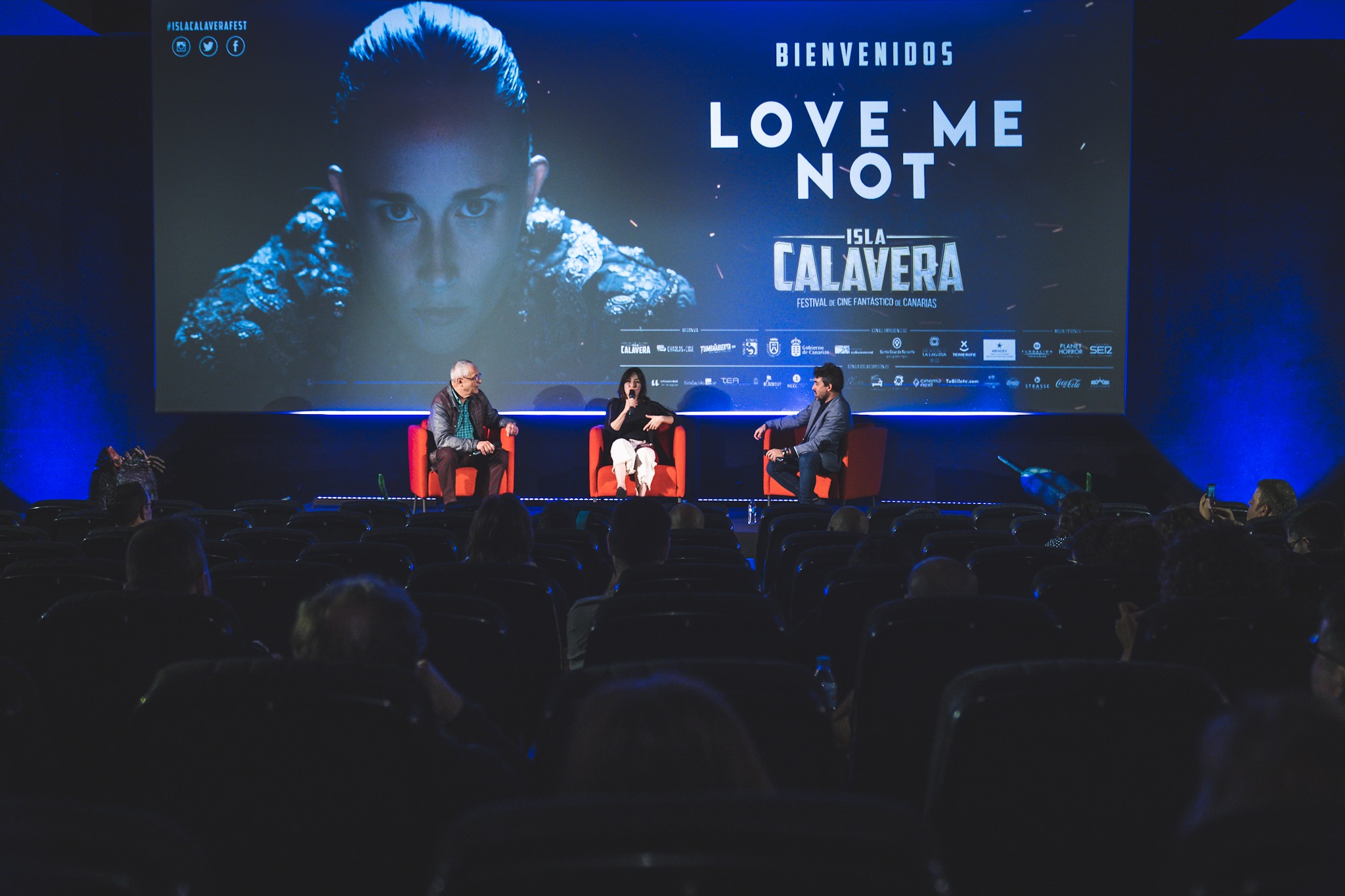
The same dynamic in the next program at 5:00 p.m., this time with the appearances of filmmaker Lluís Miñarro and actress Lola Dueñas, to present 'Love me not', a film written, produced and directed by Miñarro himself. First, Manuel Díaz Noda introduced the film and thanked the audience for their presence. At the end of the film, both participated in the talk presented by Ramón González, co-director of the festival.
In his presentation, Lluís Miñarro assured that he was no longer interested in the traditional order of cinema, that the cast was chosen based on how they respond physically to the characters and that, in a certain way, North American cinema "has formatted us all" leaving behind the possibility of innovating.
For her part, Lola Dueñas highlighted the freedom of the film as a notorious quality of the film, even describing it in certain scenes as a theater. She also commented that actors should do their part in this type of productions and that cinema is not reflecting the reality in terms of the diversity of languages and culture that coexist normally today.
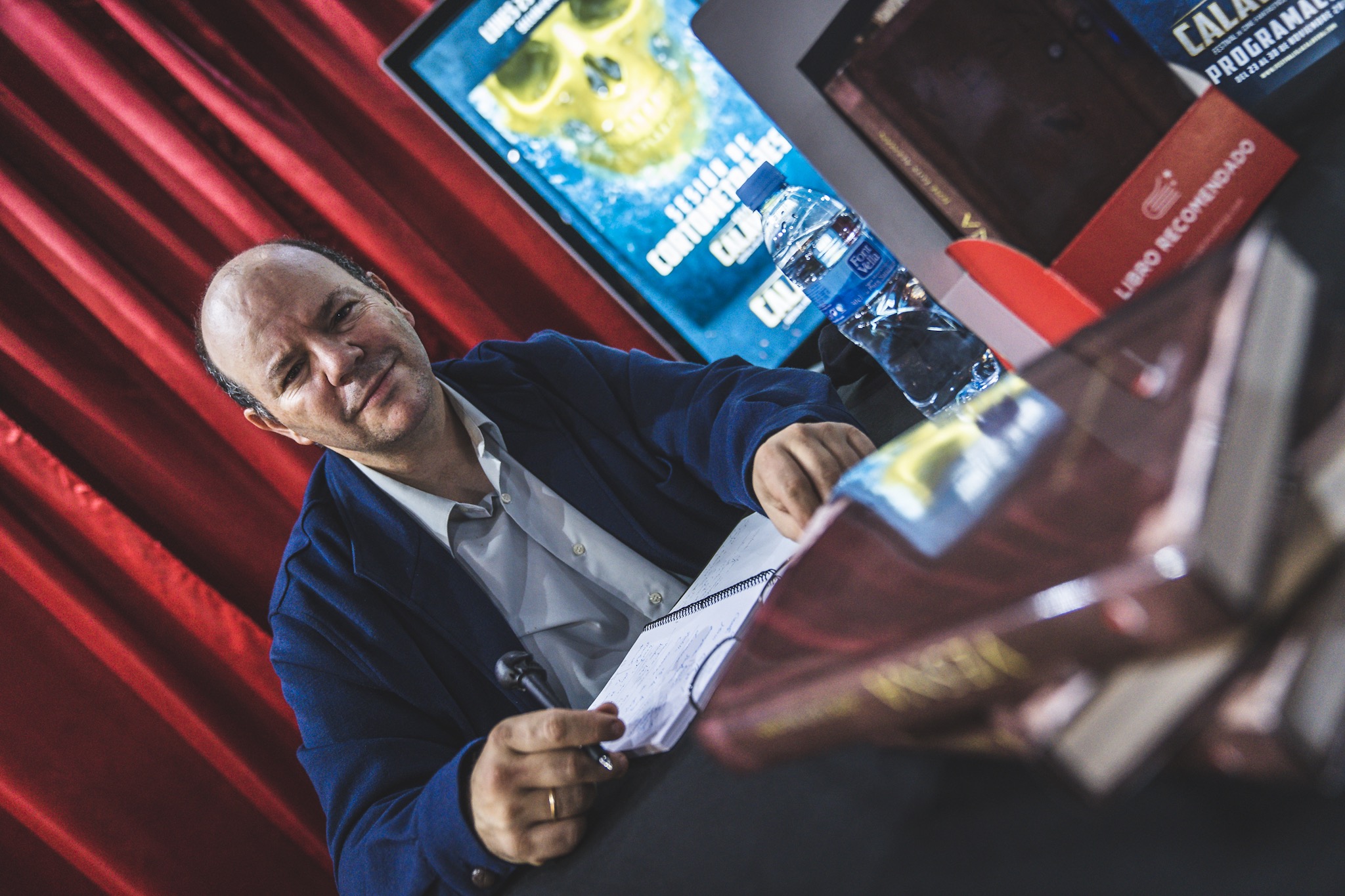
At 7.30 p.m. the presentation of the first novel by José Luis Alemán, 'Vesna', took place at the entrance of the cinemas. The author, filmmaker and director of 'La herencia Valdemar', was interviewed by Vanesa Bocanegra about the theme of the book, which tells the story of a man who finds a 14-year-old girl suffering from lycanthropy in a gypsy camp. With it, as she confessed to the audience, she seeks to address one of the great universal myths present in different cultures, such as the existence of werewolves, but from a different perspective. Vesna' was born as a script and, perhaps for this reason, Alemán shared his desire to adapt it to a film version as well as other pending projects for the future.
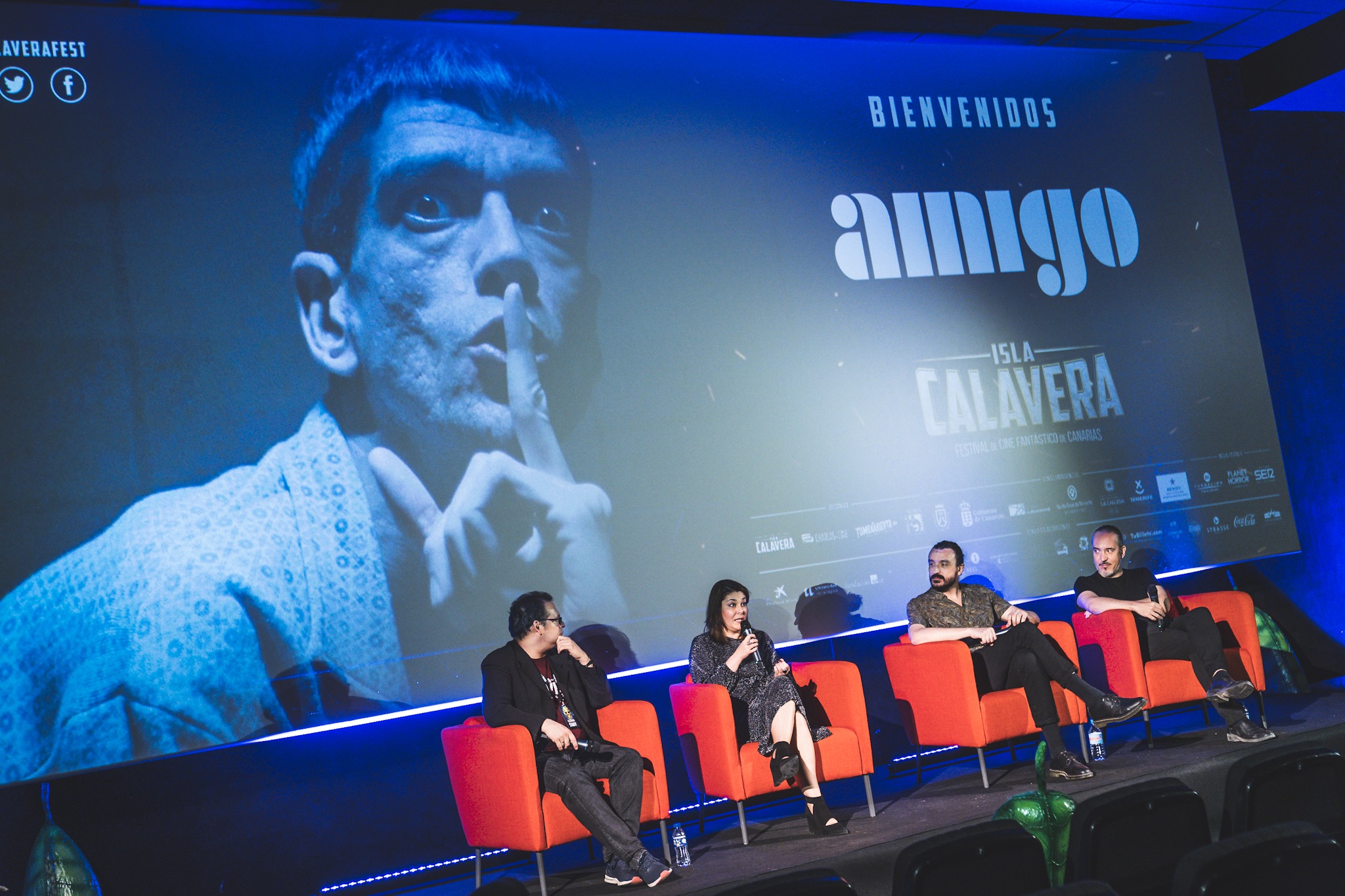
At 8 p.m. the independent film 'Amigo' (2019) was screened after a brief introduction by Manuel Díaz Noda, director Óscar Martín and one of the protagonists, David Pareja. After finishing the film of suspense and traces of black comedy gave way to a conversation moderated by Díaz Noda which was also joined by producer Elena Muñoz. When asked about how he faced his role, Pareja emphasized that when it came to acting everything developed "naturally" because he was present from the initial phase of the script and the fact that during the shooting the team lived together in the house where the story takes place. Regarding the distribution of the film, Muñoz informed that a contract has been signed with a U.S. company in which they are entrusting this task, although he emphasized his desire for it to be screened in theaters at least in Spain.